





sales@ziyanuav.com
WhatsApp/Telegram: +85365521828
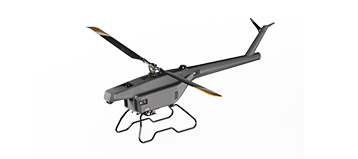
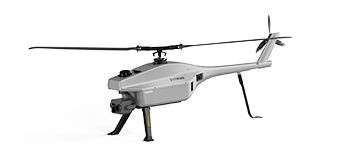
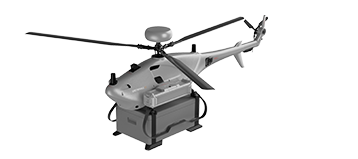
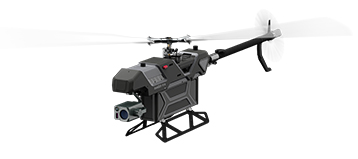


Low-altitude maritime logistics is no longer a concept.
It’s now flying real missions over real oceans.
And one question keeps coming up in the maritime industry:
How do you deliver supplies to moving ships quickly, safely, and without relying on traditional vessels?
Another one:
How do islands maintain stable logistics when weather, schedules, and sea conditions constantly slow everything down?
In May 2026, a live operational test in Pingtan, Fujian gave the industry a real answer.
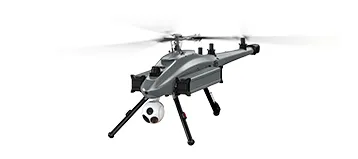
Using the ZIYAN Technology Grey Whale G1 unmanned helicopter, the mission successfully completed both:
Underway vessel resupply
Inter-island cargo transport
This also marked the first verified deployment of a digital low-altitude maritime service system in Fujian Province.
If you want to explore more industrial UAV solutions, visit ZIYAN Technology or browse the official website: www.ziyanuas.com
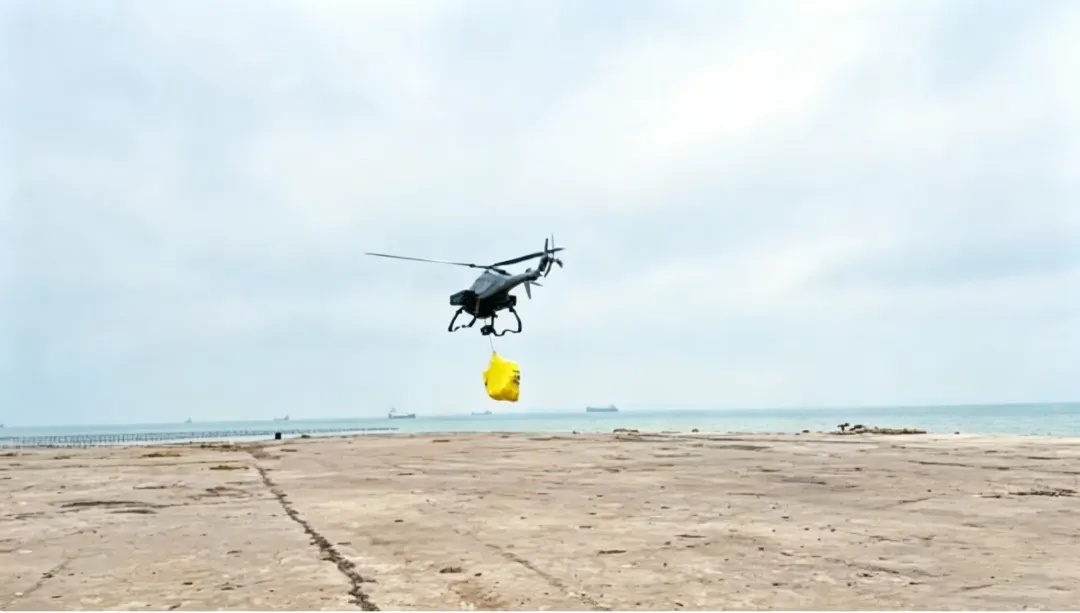
The test took place in the western inland channel of the Pingtan Comprehensive Experimental Zone.
This area is known for strong crosswinds and unstable sea conditions caused by the “narrow tube effect”.
In simple terms:
It’s one of the worst places to fly if your UAV platform isn’t built properly.
The mission was carried out in wind gusts approaching Force 8.
That matters because maritime UAV operations are not tested in perfect weather.
They’re tested when conditions become unpredictable.
For the Grey Whale G1, this mission became a live validation of:
Wind resistance
Flight control precision
Stability over open water
Autonomous maritime operations
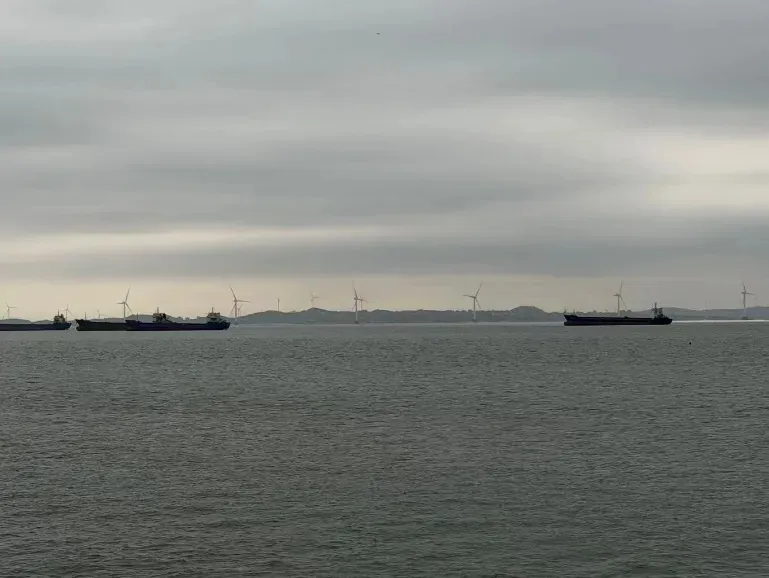
The operation started with a vessel already underway at sea.
Using the self-developed “Guoyuan eDa” low-altitude maritime service mini-program, the crew submitted a delivery request for approximately 10kg of ship supplies.
Once the order was received onshore, the system rapidly completed:
Cargo preparation
Payload securing
Route planning
Flight checks
All within 30 minutes.
Then the Grey Whale G1 took off from shore.
The UAV flew approximately 10km across the sea.
Despite strong airflow disturbances and changing maritime conditions, the aircraft maintained stable flight throughout the route.
Only 9 minutes later, it arrived above the moving vessel.
9 minutes total delivery time
10km maritime flight route
Near Force 8 winds
No vessel docking required
This is where traditional maritime logistics starts losing efficiency.
And where low-altitude UAV logistics starts becoming commercially valuable.
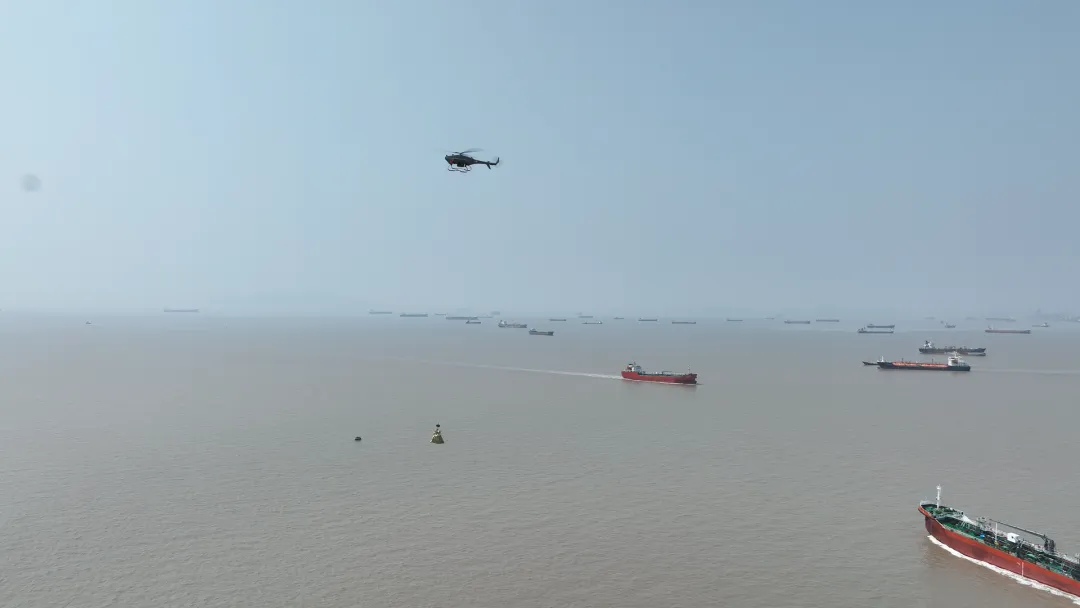
The hardest part of the mission was not crossing the sea.
It was supplying a vessel that never stopped moving.
The target ship continuously changed:
Speed
Heading
Position
At the same time, the UAV faced heavy side winds over open water.
To complete the mission safely, the Grey Whale G1 relied on its high-precision flight control system to achieve:
Real-time vessel motion tracking
Same-speed escort flight
Direction synchronisation
Stable hovering above deck
Once positioning was locked, the onboard intelligent winch system lowered the cargo vertically onto the deck.
No slowing down.
No docking.
No interruption to vessel operations.
After delivery, the UAV automatically retrieved the lifting device and safely returned to base.
This is a major step forward for autonomous maritime drone logistics.
The operation didn’t stop at ship resupply.
The team also conducted a live inter-island logistics demonstration.
Traditionally, island cargo transport depends heavily on boats.
That creates several problems:
Slow response times
Weather delays
High operating costs
Scheduling bottlenecks
The Grey Whale G1 changes that model completely.
Using autonomous low-altitude logistics routes, the platform can establish stable point-to-point aerial transport corridors between islands, ports, and offshore facilities.
20km range with 15kg payload
25km range with 12kg payload
33km range with 10kg payload
That opens practical use cases for:
Island-to-island logistics
Island-to-port resupply
Offshore platform delivery
Emergency material transport
Maritime inspection support
During the live demonstration, the Grey Whale G1 transported cargo from Island A to Island B using a preset autonomous route.
The onboard winch system completed precise aerial delivery at the destination point.
The result was a repeatable and stable cross-island transport workflow ready for larger-scale deployment.
Learn more about industrial UAV cargo platforms from ZIYAN Technology.
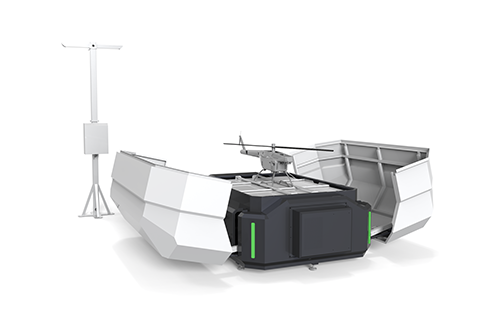
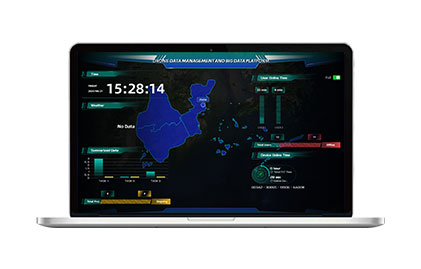
The “Guoyuan eDa” platform connected:
Vessel-side ordering
Shore-side dispatch
Airborne execution
Everything operated inside one integrated digital workflow.
That dramatically improves maritime logistics response efficiency.
Completing the mission in near Force 8 sea winds validated the Grey Whale G1’s:
Disturbance resistance
Flight stability
Autonomous control capability
Maritime operational reliability
This is critical for real-world offshore UAV deployment.
The same UAV platform successfully handled:
Moving vessel resupply
Fixed-route island logistics
That means operators can deploy a single aerial logistics system across multiple maritime applications.
The successful deployment in Fujian represents more than a single test flight.
It shows that digital low-altitude maritime services are moving from concept into operational reality.
With coordinated support across airspace management, maritime operations, and digital dispatch systems, this project also creates a scalable reference model for the wider low-altitude economy.
From:
Mobile ordering
To direct deck delivery
To island-to-island aerial logistics
…the Grey Whale G1 is helping build a new digital aerial supply network connecting land, islands, and offshore operations.
At ZIYAN Technology, we’ll continue expanding unmanned helicopter applications across:
Maritime operations
Energy infrastructure
Emergency response
Offshore logistics
Industrial inspection
Because complex missions need platforms built for complex environments.
And that’s exactly what the Grey Whale G1 unmanned helicopter was designed to do.
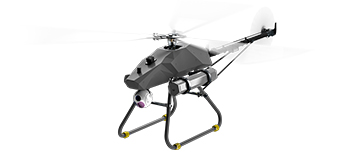
The Grey Whale G1 is an industrial unmanned helicopter developed by ZIYAN Technology for cargo transport, maritime logistics, emergency response, and complex industrial missions.
Yes.
The Grey Whale G1 successfully validated underway vessel resupply by tracking and hovering above a moving ship before lowering cargo using an intelligent winch system.
They reduce dependency on boats for urgent deliveries.
They also improve:
Delivery speed
Operational flexibility
Response efficiency
Access to remote offshore areas
Especially in difficult sea conditions.
The platform supports multiple payload configurations, including:
15kg payload for 20km transport
12kg payload for 25km transport
10kg payload for 33km transport
Typical applications include:
Offshore energy
Island logistics
Emergency response
Maritime supply chains
Coastal defence
Remote infrastructure operations
Low-altitude maritime logistics is evolving fast.
And the Grey Whale G1 is already proving what real-world unmanned helicopter operations can look like.
 sales@ziyanuav.com
 Unit 101, building 2, Zhongdian high tech Industrial Park, Keji seventh Road, Tangjiawan Town, Xiangzhou District, Zhuhai, Guangdong, China





Small and Medium-sized UAVs
Industry-Proven UAV Solutions
Full-Customized Services
Flight Training Services


