





sales@ziyanuav.com
WhatsApp/Telegram: +85365521828
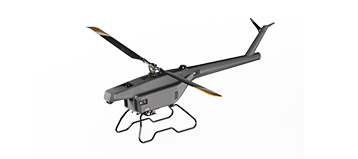
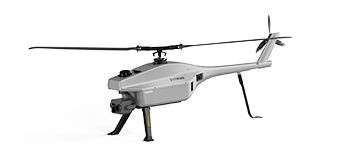
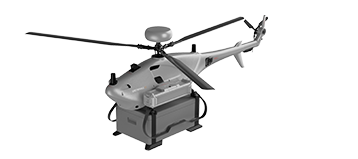
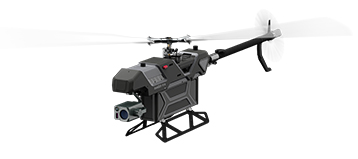


As low-altitude applications continue to expand, the way unmanned aircraft are deployed is also evolving.
Instead of sending crews and aircraft to the field for every individual mission, operators are increasingly moving toward fixed-site deployment, remote tasking, automated operations and continuous readiness.
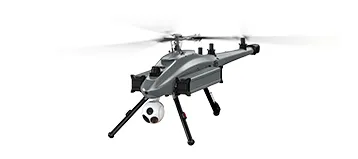
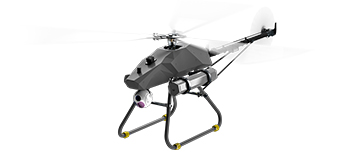
Ziyan's F15 unmanned helicopter autonomous dock has recently completed delivery, marking another step toward a more complete unattended-operation ecosystem.
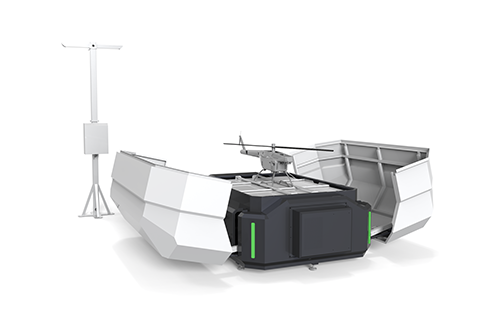
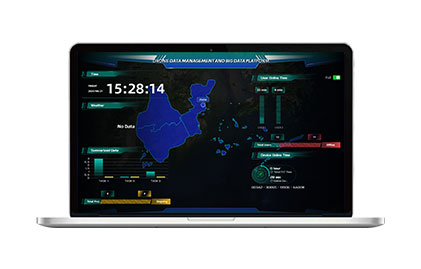
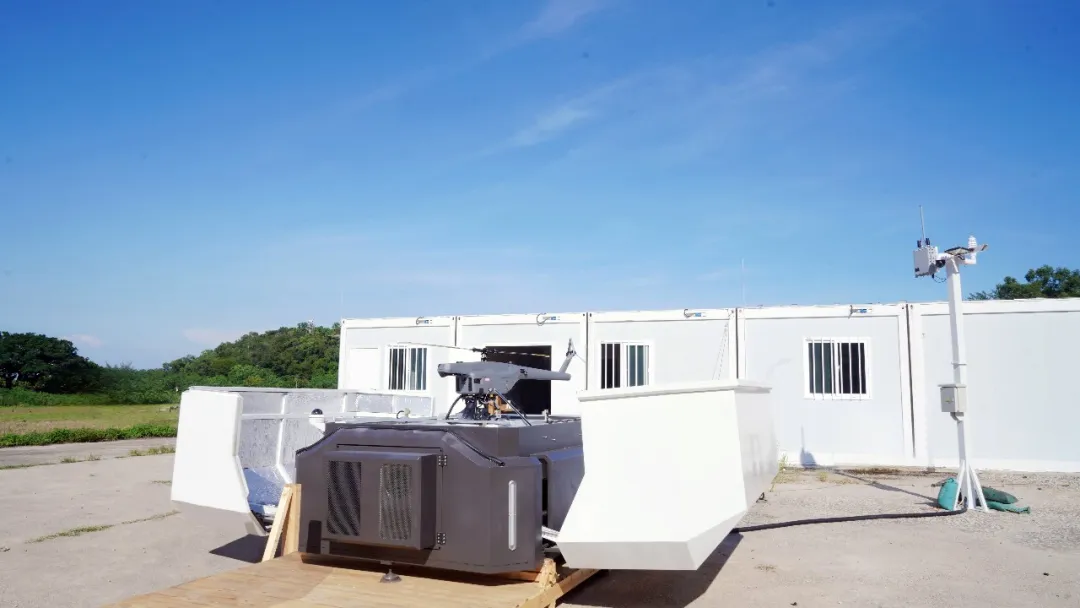
Built around the F15 unmanned helicopter, the system combines an autonomous dock, remote communications and mission management capabilities, enabling the aircraft to remain deployed at the operating site and respond quickly whenever a task is assigned.
Conventional UAV operations often require personnel to transport the aircraft to site, prepare it for flight, manage takeoff and landing, replace or recharge batteries, and recover the system after each mission.
An autonomous dock changes that workflow.
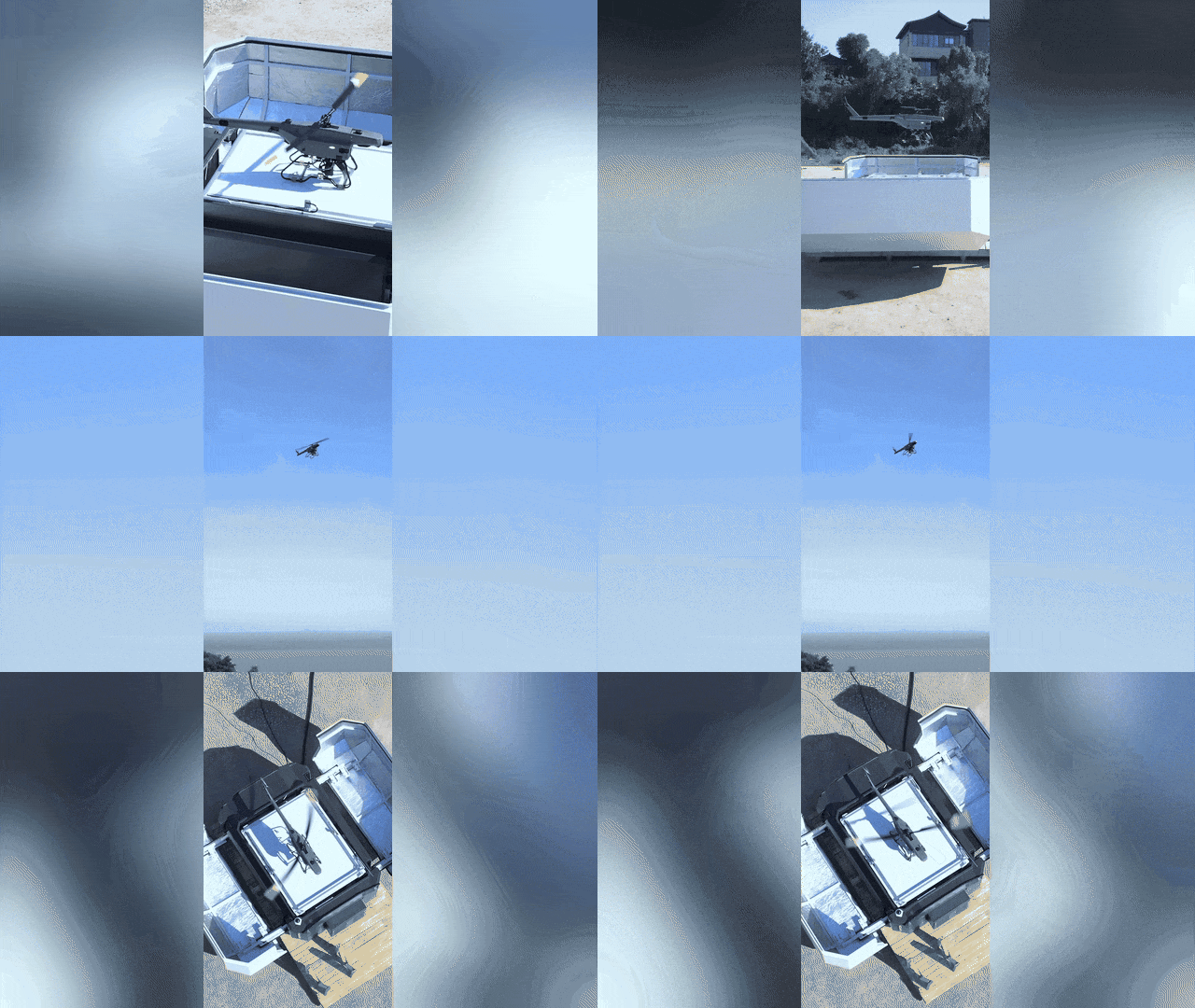
After completing a mission, the F15 can return to the dock and perform a precision landing with the support of visual positioning and RTK-based guidance. Once docked, the aircraft can automatically recharge through a contact-based charging system.
The dock also integrates communications, weather monitoring, environmental control and internal/external video surveillance to support long-term outdoor deployment.
This creates a closed-loop unattended workflow:
Mission Tasking → Automated Takeoff → Mission Execution → Data Transmission → Autonomous Return → Precision Landing → Automatic Recharging
The aircraft is no longer used only for isolated missions. It becomes a permanently deployed aerial asset, ready for repeated operations from a fixed location.
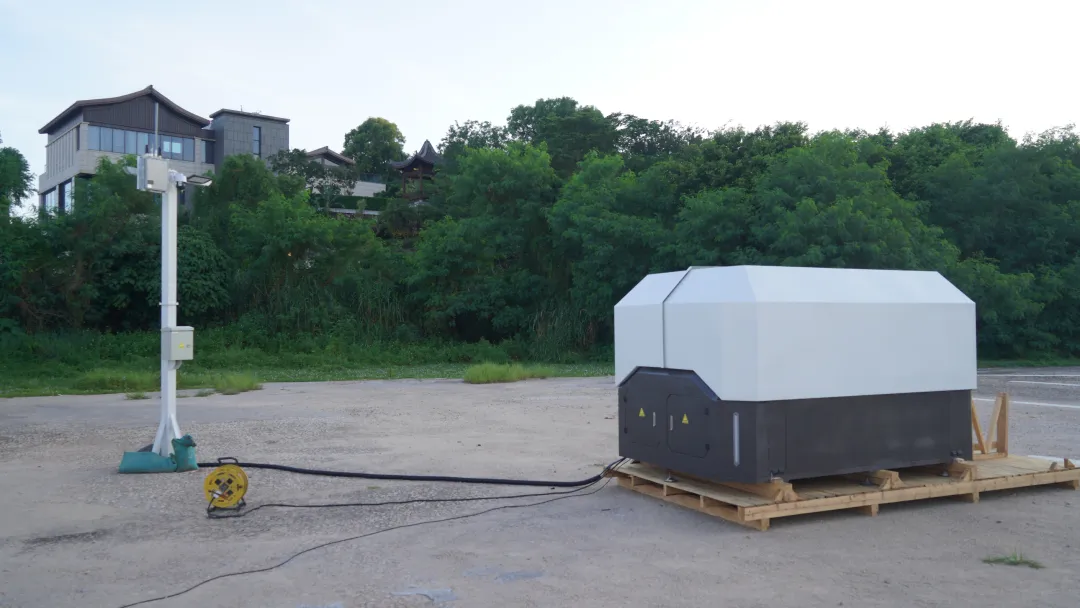
The XY-ZF15Y Autonomous Dock is designed specifically to support unattended operation of the F15 unmanned helicopter.
For long-term deployment and automated operations, the dock integrates:
Automatic charging, visual/RTK-assisted landing, remote communications, weather monitoring, environmental control, and internal/external video monitoring.
Together, these capabilities allow operators to monitor both the aircraft and the operating environment remotely.
For outdoor deployment, the dock is rated to IP55 and supports an operating temperature range of -20°C to 55°C. It also incorporates fire suppression, lightning protection and environmental control functions to improve reliability across demanding operating conditions.
In practical terms, the system helps:
reduce on-site staffing, minimize repetitive manual procedures, shorten response time, and support more frequent and consistent flight operations.
The value of an autonomous dock goes far beyond providing a place for the aircraft to land.
Its real purpose is to integrate unmanned aircraft into routine industry workflows.
The system can be deployed near ports, terminals, coastlines and designated maritime areas for routine patrols, shoreline inspection, vessel observation and rapid verification of abnormal events.
For time-sensitive missions, the F15 can launch directly from the dock without waiting for a field team to transport and prepare the aircraft, significantly improving operational response time.
For power transmission corridors, oil and gas facilities, pipelines and energy infrastructure, the F15 can conduct scheduled inspections and targeted re-inspections based on predefined mission plans.
By deploying the dock at a fixed location, UAV inspections can evolve from one-off field missions into a more repeatable and routine operating process.
For highways, critical transportation nodes and long-distance infrastructure, the system can support route inspection, infrastructure checks, traffic monitoring and rapid assessment of incidents.
When an abnormal event occurs, the aircraft can launch quickly and provide aerial situational awareness to support follow-up response.
In situations involving natural disasters, fires, accidents or other emergencies, the F15 and autonomous dock can serve as a pre-positioned aerial response asset.
Once tasked, the aircraft can launch rapidly to conduct aerial reconnaissance, assess on-site conditions and transmit data back to the command center, helping support decision-making and resource deployment.
Beyond maritime, energy, transportation and emergency-response applications, the F15 + Autonomous Dock can also be adapted to a wider range of inspection, monitoring, security and unattended operational scenarios through different payloads and mission configurations.
As the UAV industry matures, the focus is shifting.
The question is no longer simply:
Can the aircraft complete the mission?
It is increasingly becoming:
Can the system perform the mission reliably, repeatedly and with minimal on-site manpower?
The deployment of the F15 Autonomous Dock represents a further step in Ziyan’s evolution from a standalone flight platform toward a broader unattended, remotely operated and continuously available aerial operations system.
The aircraft can remain stationed at the operating site, respond when needed, complete its mission, return autonomously, land, recharge and return to standby.
From one flight to continuous operations.
From standalone aircraft to unattended systems.
Ziyan will continue to advance the integration of unmanned helicopters, autonomous docks and industry-specific mission systems, bringing automated aerial operations into more real-world applications.
Making Flight Simpler. Making the World Safer.
 sales@ziyanuav.com
 Unit 101, building 2, Zhongdian high tech Industrial Park, Keji seventh Road, Tangjiawan Town, Xiangzhou District, Zhuhai, Guangdong, China





Small and Medium-sized UAVs
Industry-Proven UAV Solutions
Full-Customized Services
Flight Training Services


