





sales@ziyanuav.com
WhatsApp/Telegram: +85365521828
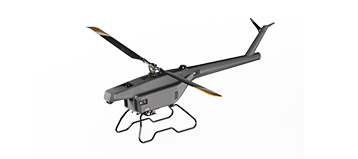
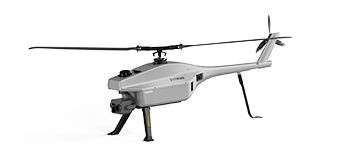
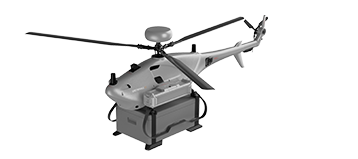
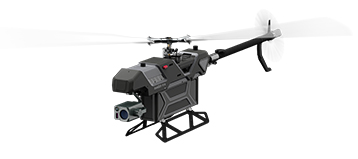
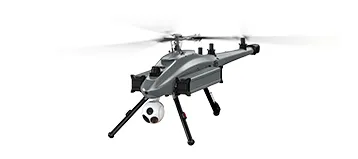
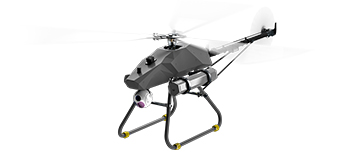


Grey Whale G1 Demonstrates Operational Feasibility in Maritime Logistics Scenario
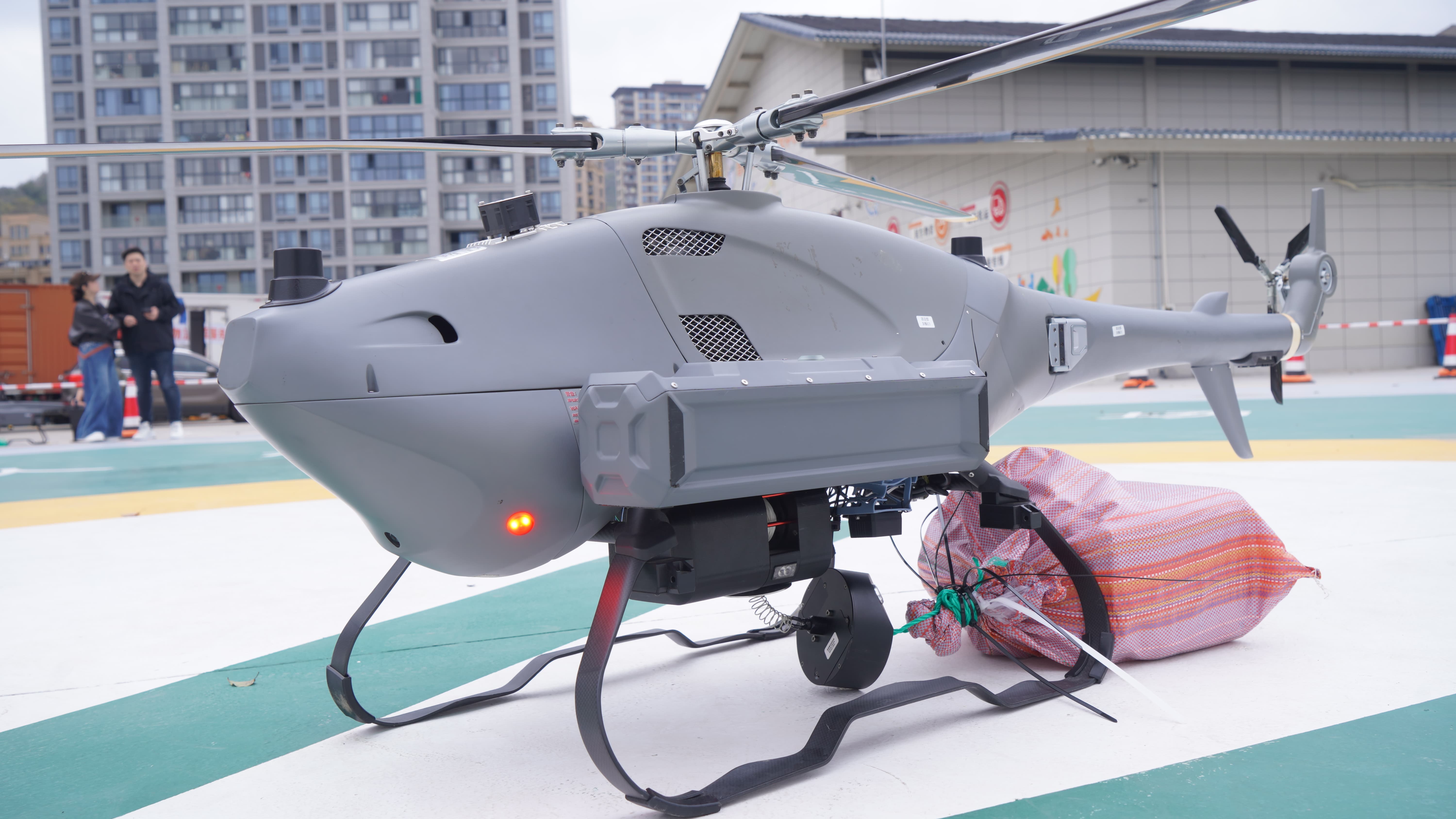
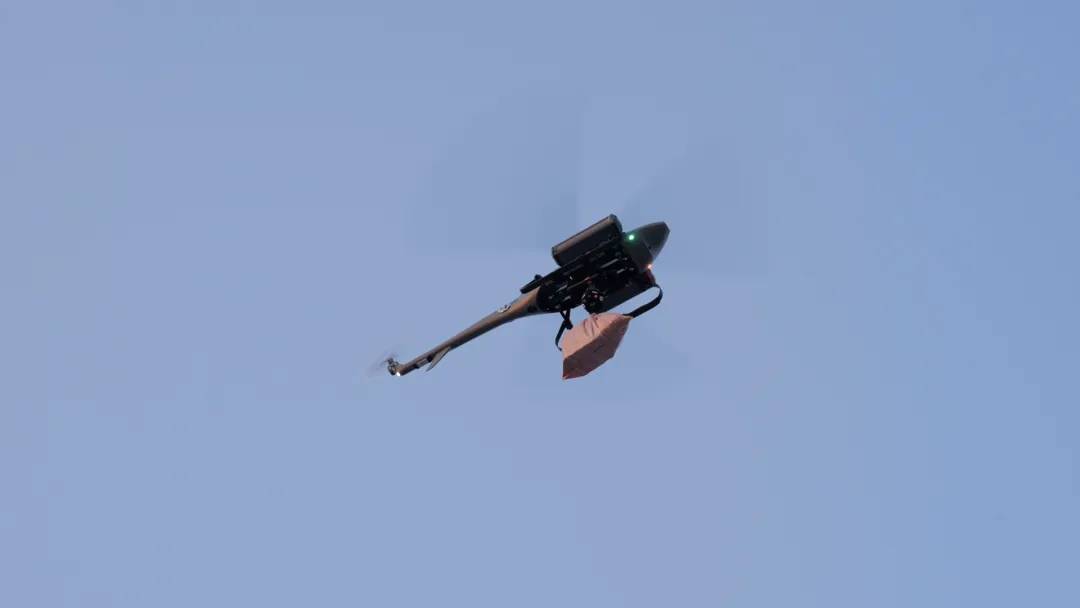
A dynamic offshore delivery mission using an unmanned helicopter has recently been completed in the Zhoushan maritime area, demonstrating the technical feasibility of UAV-enabled logistics to moving vessels under real operational conditions.
The operation employed an unmanned helicopter platform to execute a beyond-visual-line-of-sight (BVLOS) transport task, including autonomous navigation, target tracking, and winch-based payload deployment.
Operational Profile
The mission was launched from a coastal take-off site and covered an offshore distance of approximately 16 km.
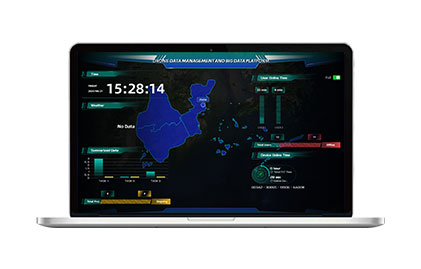
Following dispatch via a digital scheduling platform, the UAV completed:
- Autonomous take-off and route execution
- Real-time tracking of a moving maritime target
- Stabilized hover above the vessel
- Precision payload delivery via onboard winch system
- Return-to-base (RTB) with full flight stability
The total delivery cycle was completed within approximately 20 minutes.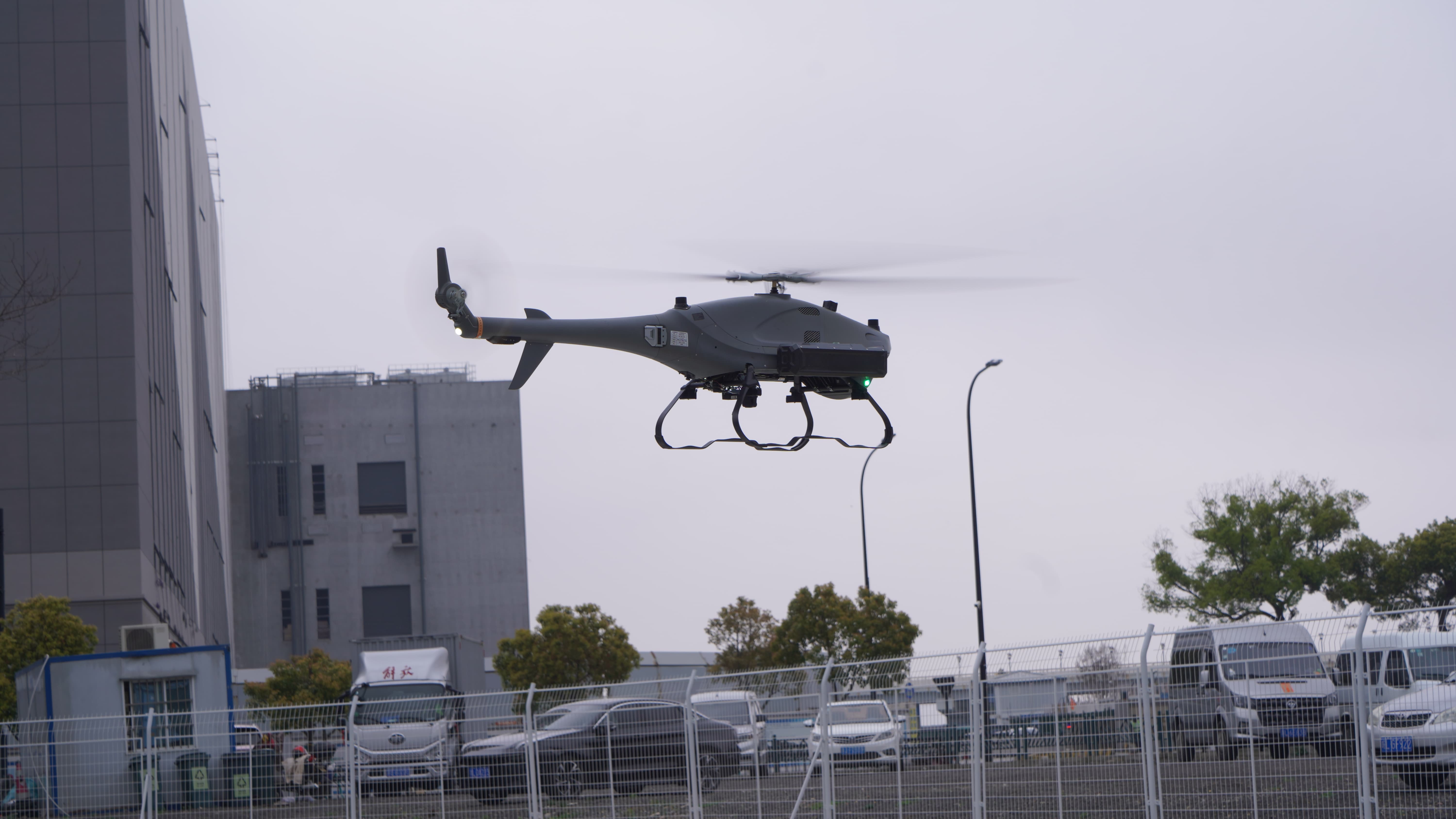
System Architecture and Key Capabilities
1. Flight Control and Navigation
The platform supports high-precision GNSS-based navigation combined with adaptive flight control algorithms, enabling stable flight under dynamic maritime conditions, including wind disturbances and vessel motion.
2. Dynamic Target Tracking
A moving vessel was continuously tracked during the terminal phase, ensuring accurate positioning for payload deployment. This demonstrates the system’s capability for non-static target engagement in maritime environments.
3. Winch-Based Delivery Mechanism
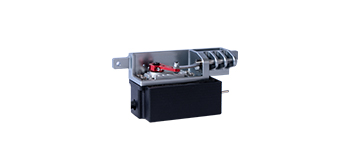
The UAV is equipped with an electromechanical winch system, allowing controlled payload descent without landing. This is particularly relevant for non-cooperative landing environments, limited deck space scenarios, and safety-critical offshore operations.
4. Environmental Adaptability
The platform maintains operational stability under high wind conditions and complex sea states, validating its suitability for offshore logistics where environmental variability is a key constraint.
Performance Benchmarking
Compared with conventional multirotor UAV platforms, the unmanned helicopter configuration demonstrates:
- Extended operational range due to higher aerodynamic efficiency
- Improved payload-to-range ratio
- Enhanced wind resistance and flight stability
- Reduced sensitivity to maritime turbulence
Application Implications
This case provides a validated reference for:
- Offshore supply delivery to vessels in transit
- Emergency logistics support in maritime operations
- Rapid-response transport for time-sensitive materials
- Extension of shore-to-ship logistics networks
Conclusion
The successful execution of this mission demonstrates that unmanned helicopter platforms can effectively bridge the gap between low-altitude airspace operations and maritime logistics systems.
By integrating autonomous flight, dynamic tracking, and non-contact delivery mechanisms, this approach establishes a scalable model for next-generation offshore logistics infrastructure.
 sales@ziyanuav.com
 Unit 101, building 2, Zhongdian high tech Industrial Park, Keji seventh Road, Tangjiawan Town, Xiangzhou District, Zhuhai, Guangdong, China





Small and Medium-sized UAVs
Industry-Proven UAV Solutions
Full-Customized Services
Flight Training Services


