





sales@ziyanuav.com
WhatsApp/Telegram: +85365521828

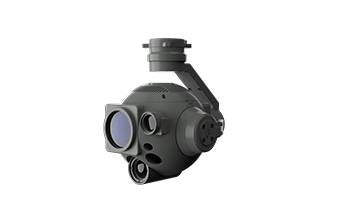

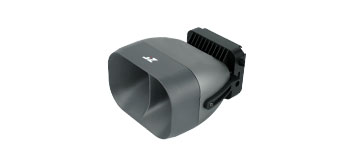
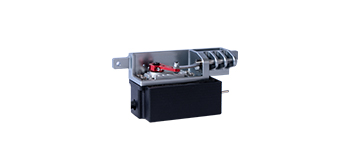

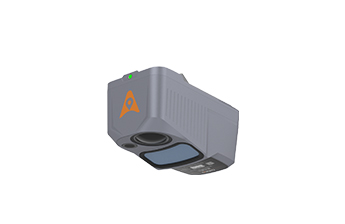

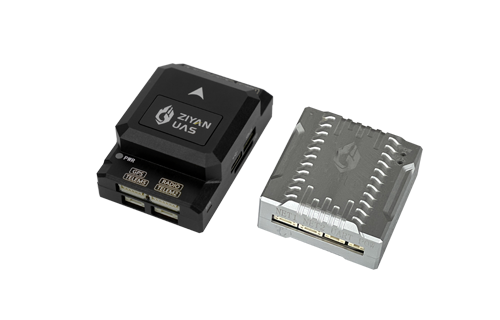
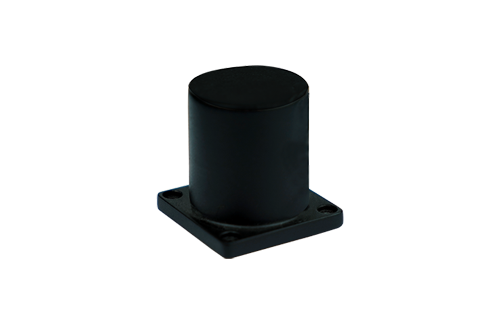
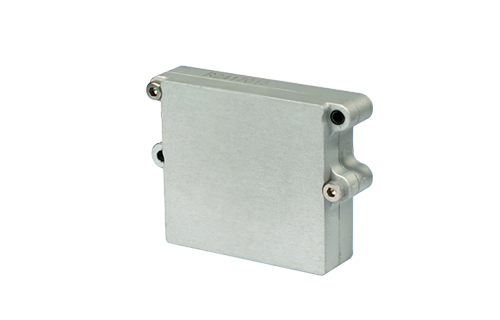
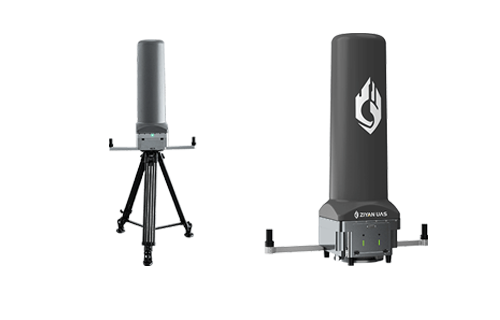

Floods, typhoons, landslides and other extreme weather events frequently destroy critical infrastructure, leaving affected communities completely isolated. When roads become impassable, power grids fail, and public communication networks collapse simultaneously, emergency responders face what is commonly known as a "triple-disruption scenario"—loss of transportation access, electricity, and communications.
In these environments, conventional emergency communication systems often cannot reach the affected area quickly enough. Rescue coordination becomes difficult, disaster assessments are delayed, and isolated residents lose their only means of contacting the outside world during the critical first hours of response.
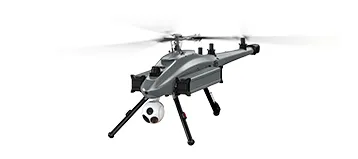
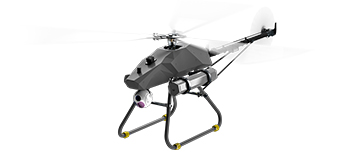
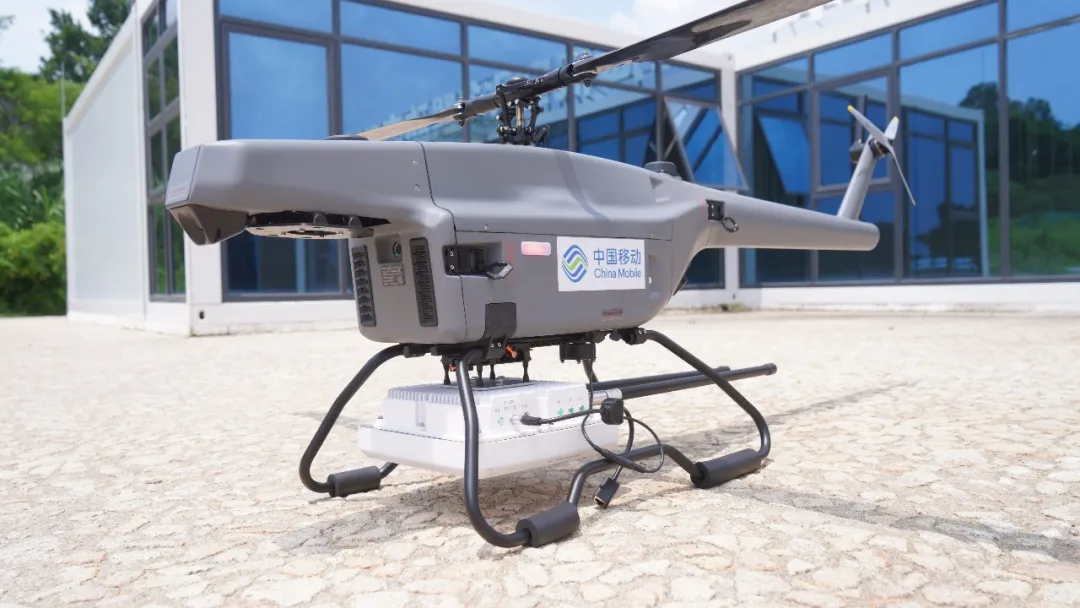
To address this challenge, ZIYAN Technology has developed an airborne emergency communication solution based on the F15 unmanned helicopter, integrating an airborne satellite communication base station with ground communication infrastructure. Designed for rapid deployment, long-endurance operations and all-weather performance, the system establishes a reliable aerial communication network without relying on damaged terrestrial infrastructure.
The solution has been repeatedly validated during large-scale emergency response operations and has supported communication recovery in multiple real-world disaster scenarios.
Large-scale natural disasters expose several limitations of traditional communication infrastructure.
Floodwaters, landslides and debris often block access routes, preventing communication vehicles and heavy equipment from reaching affected areas. Restoration efforts become dependent on ground accessibility, significantly extending response times.
When regional power grids fail, cellular base stations and communication equipment gradually shut down. Portable generators and battery systems provide only limited operational duration and cannot sustain large-area coverage.
Damage to backbone fibre-optic networks can disconnect entire regions from public communication services. While satellite phones remain useful for point-to-point communication, they cannot support broadband connectivity, multi-user access, live video transmission or coordinated emergency command operations.
Multirotor drones offer fast deployment but are generally constrained by payload capacity, endurance and operational range. In mountainous terrain or heavily forested areas, they often cannot carry professional communication equipment or maintain persistent aerial coverage over large operational areas.
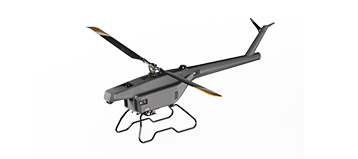
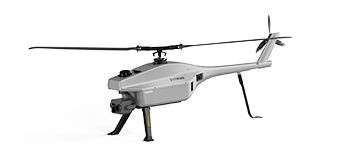
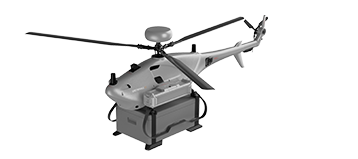
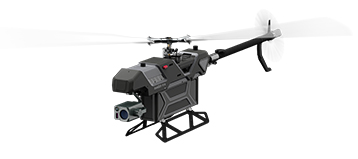
The ZIYAN F15 unmanned helicopter is designed as a versatile industrial UAV capable of carrying an airborne satellite communication base station as a standardized mission payload.
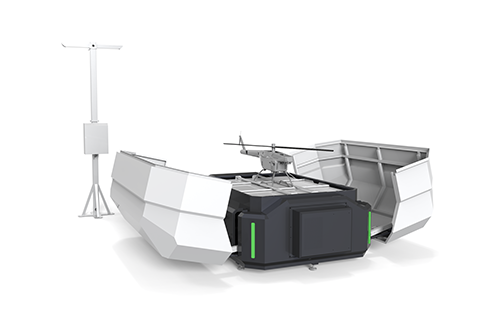
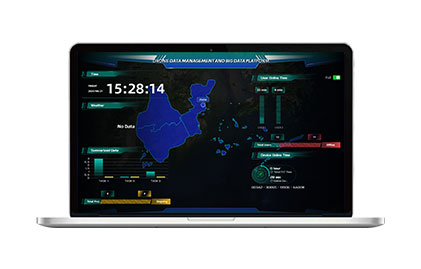
Working together with satellite communication links and ground communication terminals, the system creates an integrated air-ground communication network that rapidly restores connectivity even when conventional infrastructure has completely failed.
Key operational advantages include:
Rapid deployment with minimal launch-site requirements
Vertical take-off and landing without prepared infrastructure
Long-endurance hovering for persistent communication coverage
Long-range BVLOS deployment into inaccessible areas
All-weather operation in challenging environments
Immediate airborne network establishment after take-off
Unlike terrestrial communication systems, the F15 operates independently of roads, electrical grids and fibre-optic networks, enabling emergency responders to establish reliable communication links within minutes of arrival.
The airborne network supports both professional emergency command communications and basic public connectivity, allowing rescue teams to coordinate operations while helping affected residents reconnect with family members and emergency services.

The ZIYAN airborne communication solution has participated in numerous emergency response operations involving floods, typhoons and landslides. Its standardized deployment process has demonstrated reliable performance across diverse disaster environments.
Following severe flooding that destroyed roads, power infrastructure and communication networks, multiple mountain communities became completely isolated.
The ZIYAN F15 rapidly deployed an airborne satellite communication base station over the affected area, establishing an independent communication network without any supporting ground infrastructure. The system provided continuous communication services for emergency coordination, situational reporting and civilian communications until conventional networks could be restored.
During a large-scale emergency preparedness exercise simulating widespread infrastructure failure, including the simultaneous loss of transportation, electrical power and public communications, the F15 successfully established temporary airborne communication coverage for rescue command operations.
The exercise demonstrated the platform's ability to restore operational communications rapidly under complex disaster conditions.
In another major flood event where landslides destroyed infrastructure across multiple remote communities, the F15 airborne communication system was deployed to reconnect isolated populations.
Flying beyond blocked transportation routes, the helicopter quickly restored emergency communication services, enabling search-and-rescue coordination, disaster assessment and public communication throughout the response operation.
After a powerful typhoon caused extensive damage to regional power and communication infrastructure, thousands of displaced residents housed in temporary shelters lost access to public communication networks.
Operating as an airborne communication relay, the ZIYAN F15 provided stable wireless coverage over evacuation centres, supporting emergency command, resident registration, humanitarian coordination and family communications during disaster recovery.
The ZIYAN emergency communication solution follows a proven operational process designed for rapid deployment and sustained disaster support.
The aircraft quickly reaches the disaster area while simultaneously conducting aerial reconnaissance and establishing initial communication coverage.
Long-endurance hovering enables continuous communication support over affected areas. Multiple aircraft can operate cooperatively to provide regional communication coverage across larger disaster zones.
The airborne communication base station serves as the primary communication node while interoperating with satellite links and portable ground communication equipment to create a resilient emergency communication network.
Beyond immediate emergency response, the system continues supporting damage assessment, recovery operations and post-disaster inspections until permanent communication infrastructure is restored.
As extreme weather events become increasingly frequent, resilient communication capability has become an essential component of disaster preparedness.
The ZIYAN F15 Airborne Emergency Communication Solution combines rapid deployment, long endurance and reliable all-weather operation with a standardized airborne satellite communication architecture. Proven through multiple real-world emergency deployments, it provides emergency agencies with a flexible and dependable communication capability when conventional infrastructure is no longer available.
Working together with ecosystem partners, ZIYAN continues to expand its portfolio of emergency response payloads and integrated aerial solutions for emergency management agencies, disaster relief organizations, firefighting services and critical infrastructure operators.
By extending communications into areas where traditional networks cannot reach, the ZIYAN F15 helps emergency responders maintain connectivity when it matters most.
 sales@ziyanuav.com
 Unit 101, building 2, Zhongdian high tech Industrial Park, Keji seventh Road, Tangjiawan Town, Xiangzhou District, Zhuhai, Guangdong, China





Small and Medium-sized UAVs
Industry-Proven UAV Solutions
Full-Customized Services
Flight Training Services


