





sales@ziyanuav.com
WhatsApp/Telegram: +85365521828
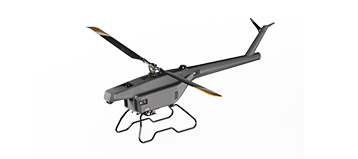
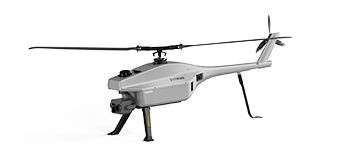
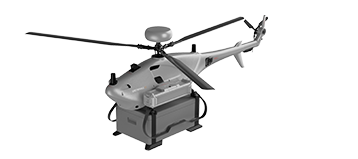
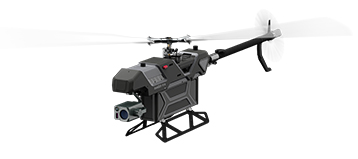


For luxury camps, mountain resorts, and eco-tourism destinations, logistics is often the biggest operational challenge.
Meals, camping supplies, emergency medicine, and maintenance equipment all rely on winding mountain roads that are slow, labour-intensive, and vulnerable to weather conditions. As tourism expands into more remote locations, traditional transportation is no longer able to meet expectations for speed, service quality, or operational efficiency.
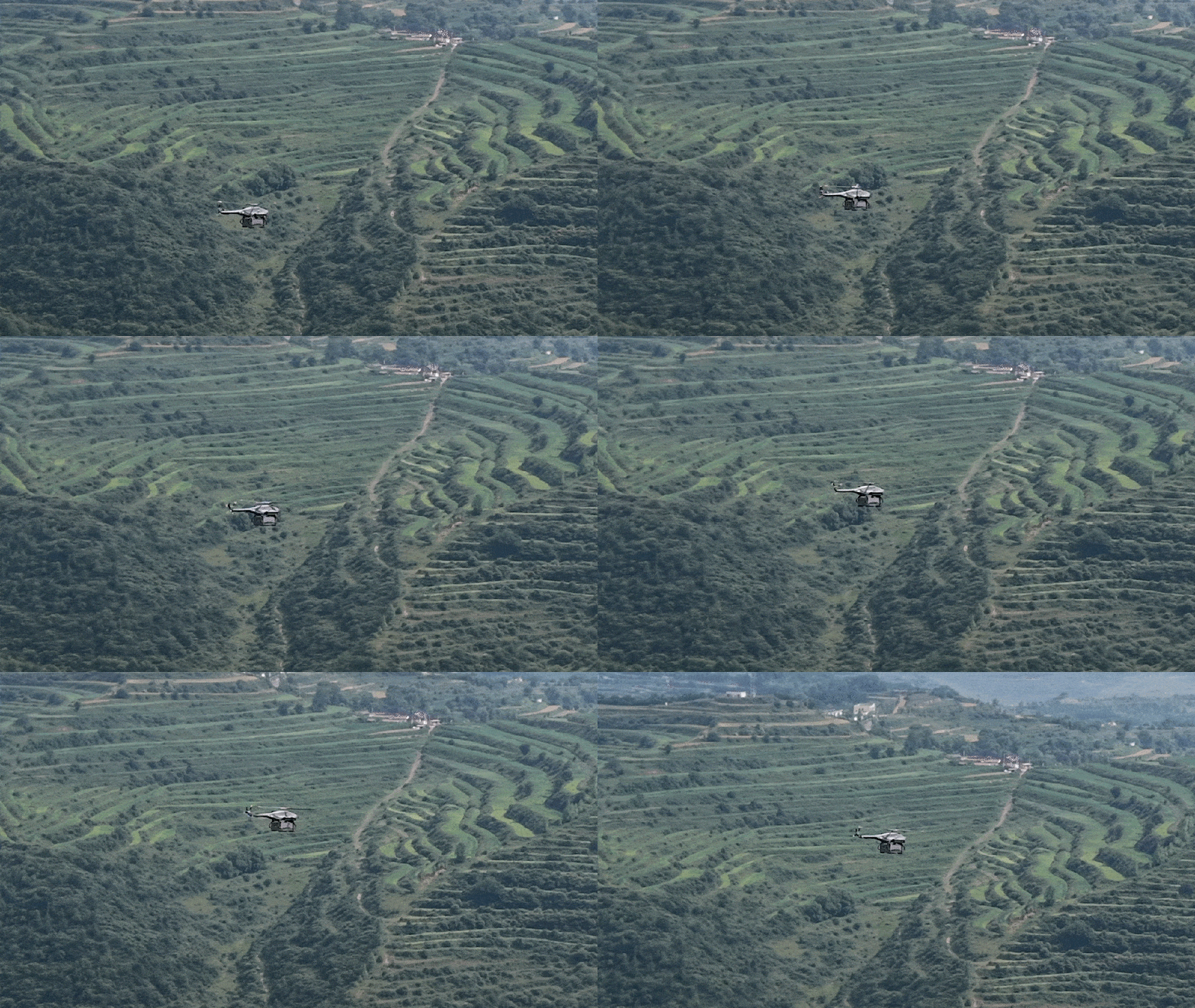
To demonstrate how unmanned aerial logistics can solve these challenges, ZIYAN Technology recently completed a live delivery mission in the mountains of Gansu Province, China.
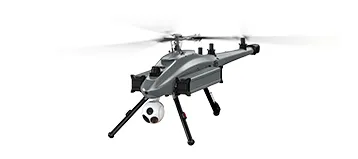
Using the Grey Whale G1 Transport UAV, the team successfully transported hot meals from a mountain hotel to a remote campsite in just 16 minutes, proving that reliable, routine UAV logistics is now practical even in complex high-altitude terrain.
More importantly, the project validates a scalable aerial logistics model that extends far beyond food delivery, supporting applications ranging from remote tourism to emergency response and infrastructure supply.
Unlike laboratory testing, this demonstration was conducted in a real commercial tourism environment.
The mission connected a mountain hotel with an outdoor campsite through a fixed point-to-point flight corridor.
Mission Highlights
Location: Mountain tourism area, Gansu, China
Average operating altitude: 2,000+ m
Maximum elevation difference: 600 m
Flight distance: 16 km
Ground transport distance: 23.3 km
Maximum payload tested: 10 kg
Mission temperature: 31–36°C
Communication architecture: Dual ground stations
Aircraft: Grey Whale G1 Electric Transport UAV
The objective was simple:
Deliver restaurant-quality hot meals faster than road transport while maintaining safe, repeatable flight operations in challenging mountain terrain.
Mountain logistics presents a combination of environmental and operational challenges rarely encountered in urban delivery missions.
Operating above 2,000 metres means significantly lower air density, reducing rotor efficiency and increasing power demand during climb.
When combined with a 600-metre elevation gain, aircraft require sufficient power reserves to maintain stable flight throughout the mission.
Many conventional multirotor drones experience noticeable performance degradation under these conditions.
The road connecting the hotel and campsite stretches 23.3 kilometres, requiring more than 35 minutes for a single trip.
Besides longer delivery times, winding roads also expose food to continuous vibration, reducing meal quality before arrival.
For premium tourism operators, delivery speed directly affects customer satisfaction.
Mountain ridges, valleys, and dense vegetation frequently obstruct radio signals.
Without a reliable communication architecture, aircraft may lose telemetry or video transmission precisely when accurate navigation and landing are most critical.
Mountain operators require more than routine food delivery.
The same aircraft should also be capable of transporting:
Emergency medicine
Rescue equipment
Maintenance tools
Camp supplies
Essential cargo
This demands a logistics platform capable of rapidly switching between commercial and emergency missions without changing hardware.
Rather than deploying a standard delivery drone, ZIYAN introduced a complete aerial logistics system designed specifically for mountainous environments.
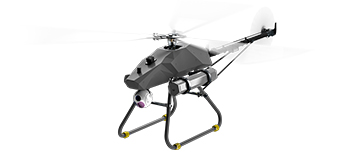
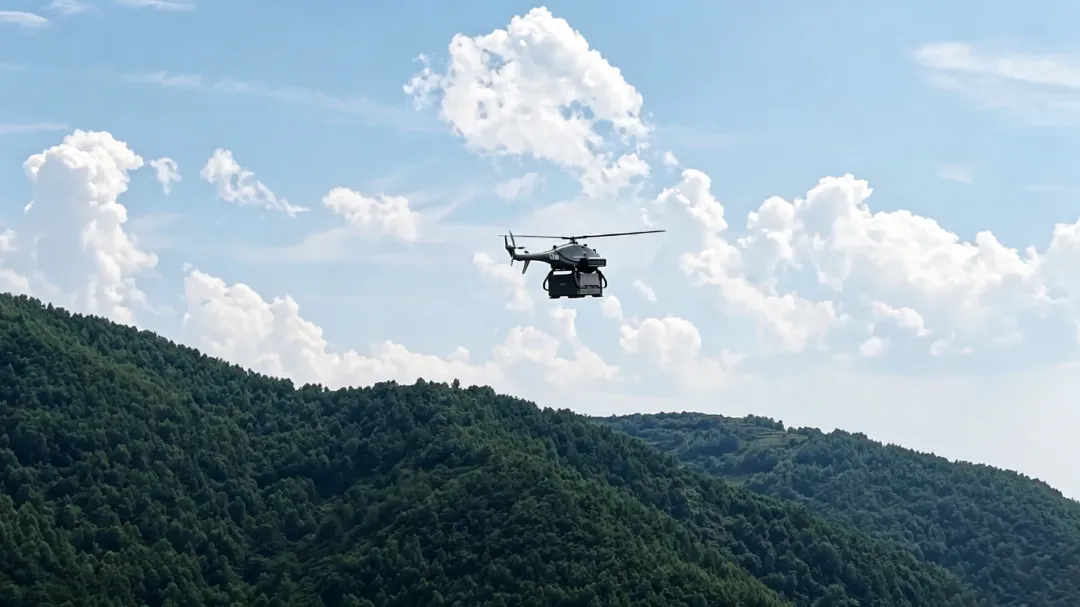
At the centre of the solution is the Grey Whale G1, an electric unmanned helicopter engineered for industrial cargo transport.
Unlike multirotor platforms, the helicopter configuration offers superior lifting efficiency, better endurance, and greater operational stability during long-range logistics missions.
The aircraft carried an insulated cargo container specifically designed for food transportation.
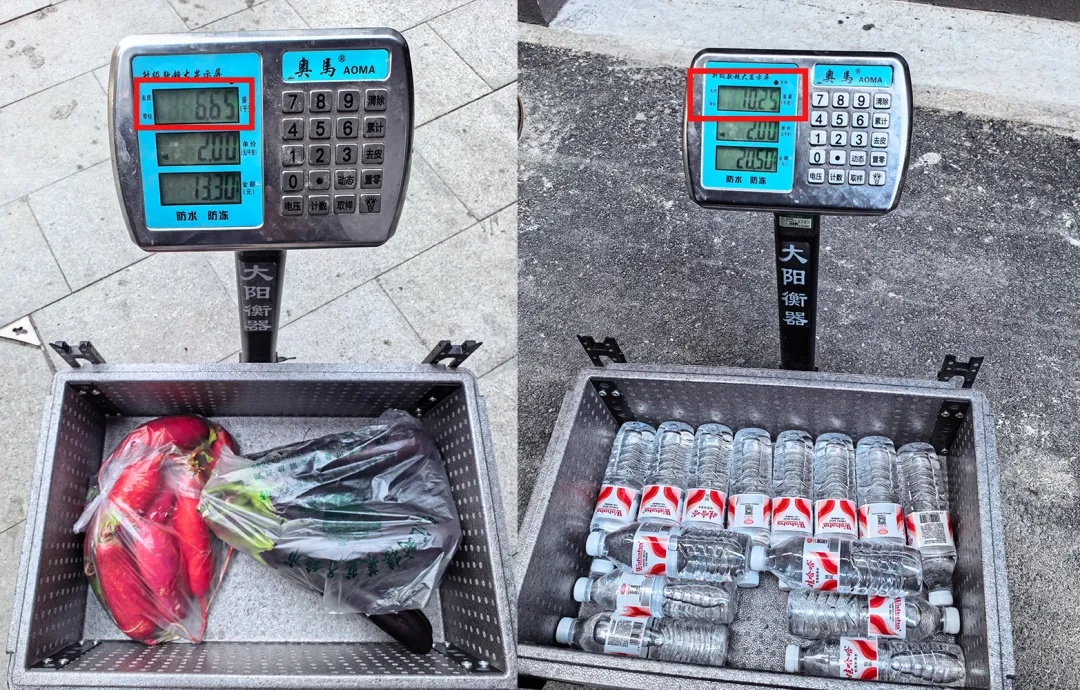
Three payload configurations were tested throughout the demonstration:
Empty payload
6.65 kg payload
10 kg payload
Every mission was completed successfully with stable flight characteristics and zero cargo leakage.
With an operating ceiling of 6,000 metres, the Grey Whale G1 retains sufficient lifting capability for mountain logistics where many conventional UAV platforms reach their performance limits.
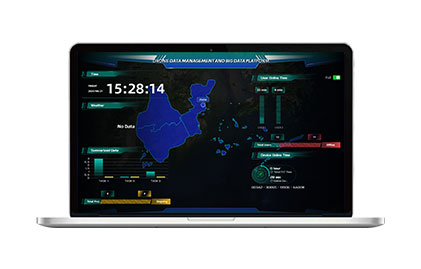
Reliable communications are essential for Beyond Visual Line of Sight (BVLOS) logistics.
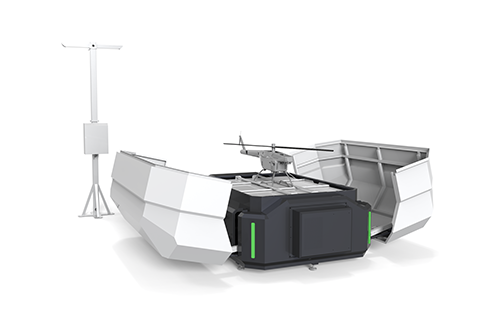
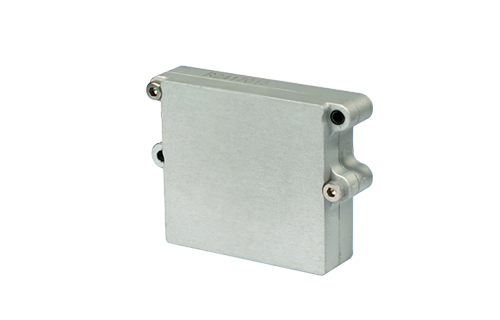
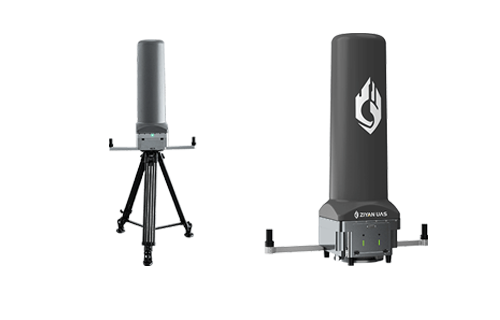
To ensure uninterrupted connectivity, ZIYAN deployed a dual ground station architecture, establishing overlapping communication coverage across the entire flight corridor.
Even when the aircraft passed behind mountain ridges or dense forest, operators maintained continuous access to:
Live HD video
Aircraft telemetry
Flight status
Command and control
This architecture substantially improves operational reliability for mountain logistics.
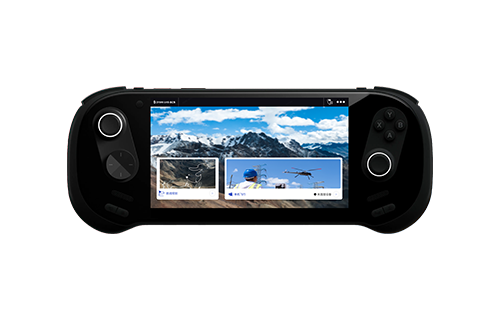
Routine transport missions were flown autonomously using pre-planned waypoint routes optimised for the terrain.
If unexpected turbulence or temporary airspace restrictions occurred, pilots could immediately assume manual control, ensuring safe mission completion under changing conditions.
The combination of automation and manual redundancy provides both operational efficiency and safety for commercial deployment.
The demonstration successfully completed multiple round-trip flights without a single equipment fault.
| Road Transport | Grey Whale G1 |
|---|---|
| 23.3 km | 16 km |
| 35+ minutes | 16 minutes |
By eliminating winding mountain roads, the aircraft delivered restaurant-quality meals while preserving temperature and freshness.
Throughout repeated sorties, the aircraft demonstrated smooth climb performance, stable hover, and precise landings despite significant altitude changes.
The mission confirms the Grey Whale G1's suitability for sustained operations in medium- and high-altitude mountainous environments.
The dual-station communication network maintained uninterrupted telemetry and video transmission throughout the flight, including areas typically affected by terrain shielding.
No communication loss occurred during any sortie.
Whether carrying no payload, 6.65 kg, or 10 kg, the aircraft maintained consistent flight performance and reliable cargo protection, demonstrating its readiness for routine commercial operations.
Although this project focused on catering logistics, the same aerial logistics system can support a much wider range of commercial and public-service missions.
Typical applications include:
Mountain resort logistics
Eco-tourism supply transport
Wilderness camp resupply
Emergency medical delivery
Disaster relief
Infrastructure maintenance
Utility inspection support
Remote construction logistics
Waste collection from protected areas
By combining routine logistics with emergency response capability, operators can maximise aircraft utilisation while significantly reducing operational costs.
This demonstration represents more than a successful delivery mission.
It shows that aerial logistics can replace inefficient road transportation in environments where terrain has traditionally limited accessibility.
The Grey Whale G1 combines the endurance, payload capacity, and operational flexibility of an industrial unmanned helicopter with intelligent autonomous flight and robust communication systems, creating a practical solution for routine cargo transport in complex mountainous terrain.
As global investment in the low-altitude economy accelerates, professional UAV logistics will become a critical component of tourism, infrastructure, emergency management, and rural development.
The Grey Whale G1 is ready for that future.
 sales@ziyanuav.com
 Unit 101, building 2, Zhongdian high tech Industrial Park, Keji seventh Road, Tangjiawan Town, Xiangzhou District, Zhuhai, Guangdong, China





Small and Medium-sized UAVs
Industry-Proven UAV Solutions
Full-Customized Services
Flight Training Services


